Introduction: The growing role of timber cladding in modern architecture
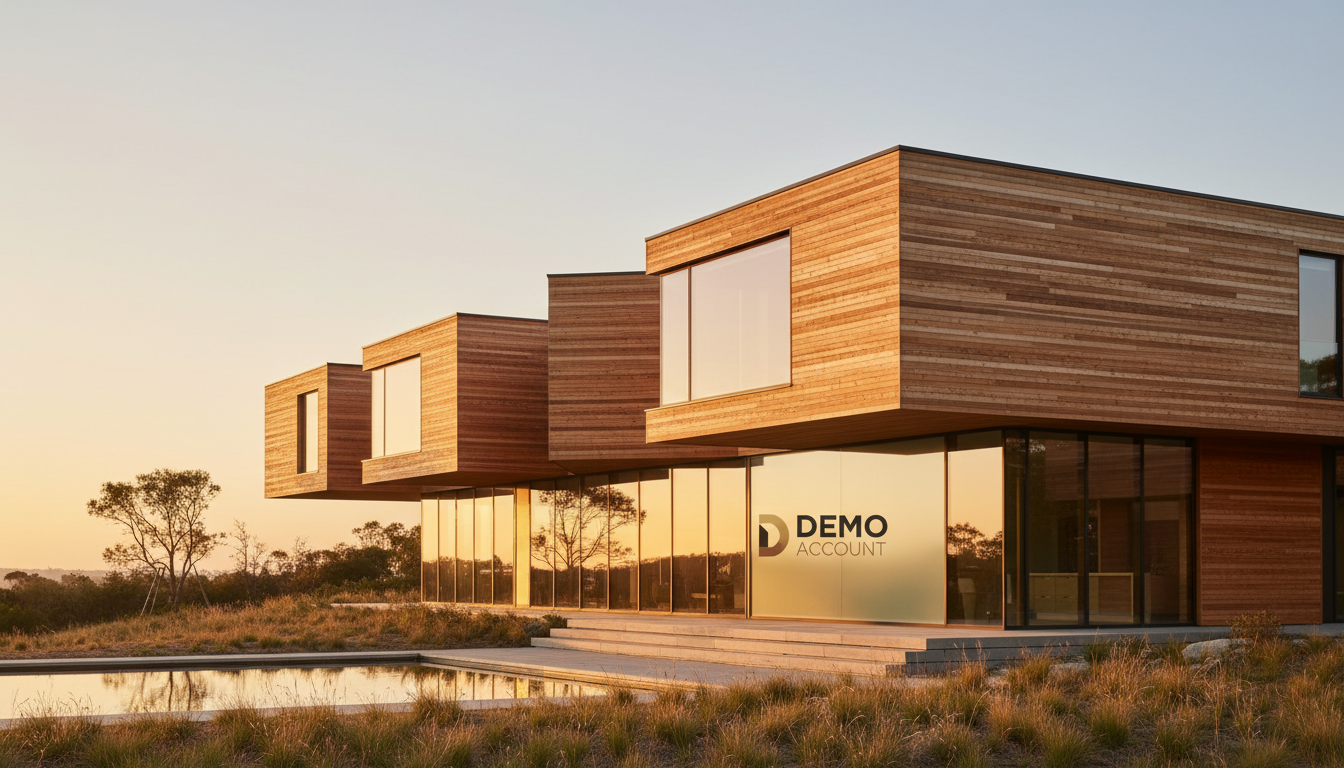
Timber cladding has become a hallmark of contemporary architecture, prized for its ability to bring natural warmth, texture, and character to building facades. Beyond its striking visual appeal, high-quality timber offers exceptional performance and stands as a testament to sustainable design principles. For architects and specifiers, selecting the right cladding is a critical decision that impacts a project's aesthetics, longevity, and environmental footprint. This guide is designed to navigate the key considerations, helping you specify the perfect timber cladding solution with confidence.
Factor 1: Performance and Durability
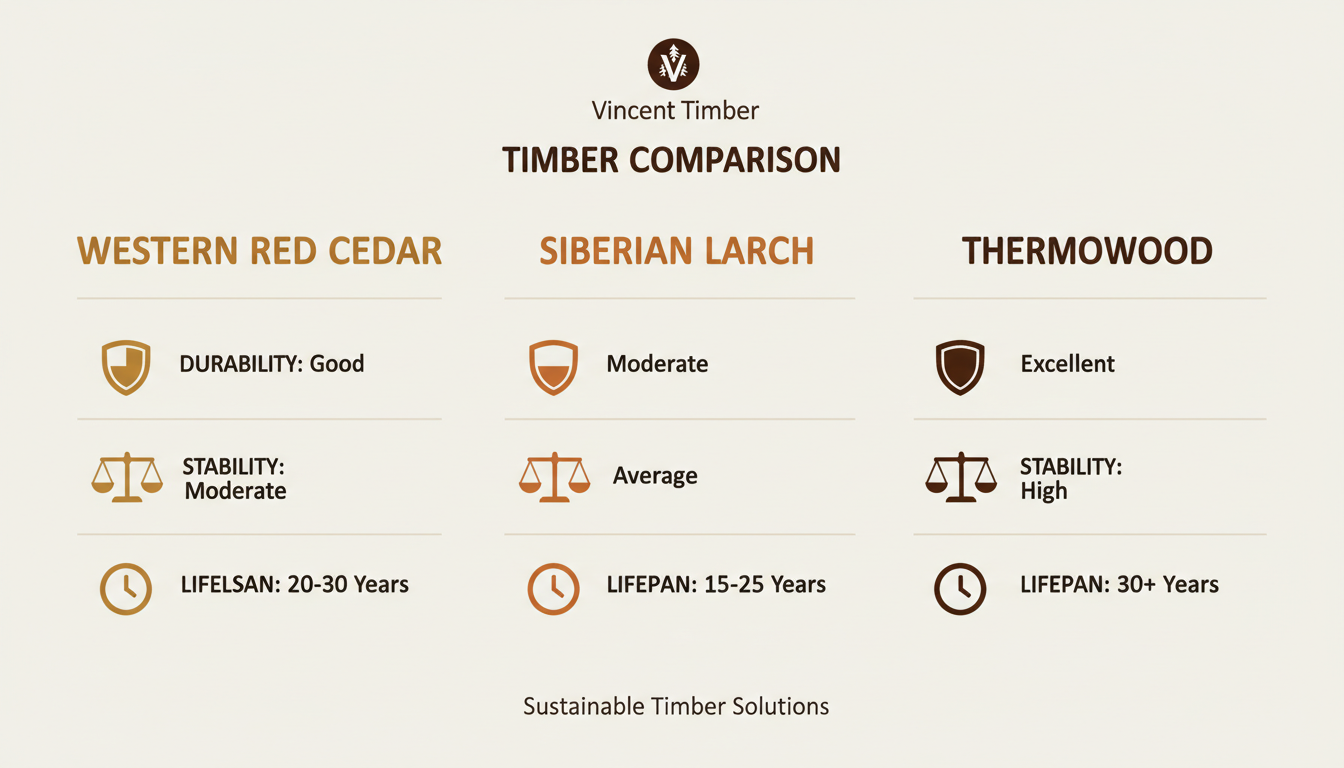
When specifying timber cladding, the primary technical consideration is its ability to withstand the elements over time. Factors like natural durability, dimensional stability (resistance to warping or shrinking), and overall lifespan are paramount. Different timber species offer varying levels of inherent performance.
-
**Western Red Cedar:** Highly sought after for its exceptional natural resistance to moisture, decay, and insect damage. It's lightweight, easy to work with, and boasts impressive stability, making it a reliable choice for long-lasting applications.
-
**Siberian Larch:** Known for its high density and resin content, Larch is incredibly durable and robust, offering a lifespan of 50-100 years when properly detailed. Its resilience makes it suitable for even the most demanding environments.
-
**Thermowood:** This thermally modified timber undergoes a process that enhances its stability and durability to the highest level (Class 1). The treatment makes it less susceptible to moisture and rot, providing a long-lasting, low-maintenance cladding solution.
Factor 2: Aesthetics and Finish
The visual identity of your project is heavily influenced by the choice of cladding. Each timber species presents a unique character through its grain pattern, texture, and colour—from the rich, warm tones of Cedar to the golden hues of Larch. While these timbers can be left to weather naturally to a beautiful silver-grey, applying a finish is key to preserving the original colour and enhancing protection.
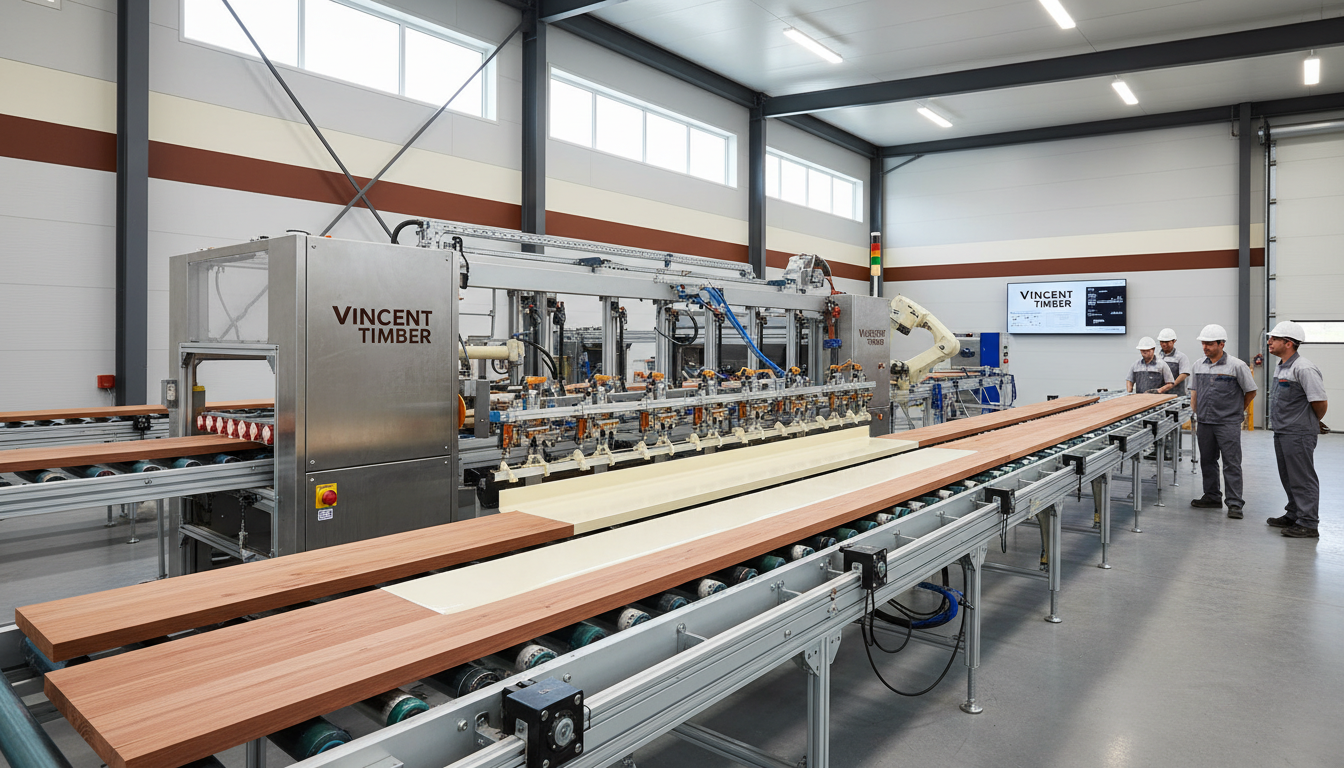
This is where factory-coated options provide a distinct advantage. At Vincent Timber, our in-house coating facility ensures a consistent, high-quality finish that is impossible to replicate on-site. This process guarantees optimal coating thickness and adhesion, providing superior protection from day one while significantly speeding up the on-site installation process and reducing project timelines.
Factor 3: Sustainability and Sourcing
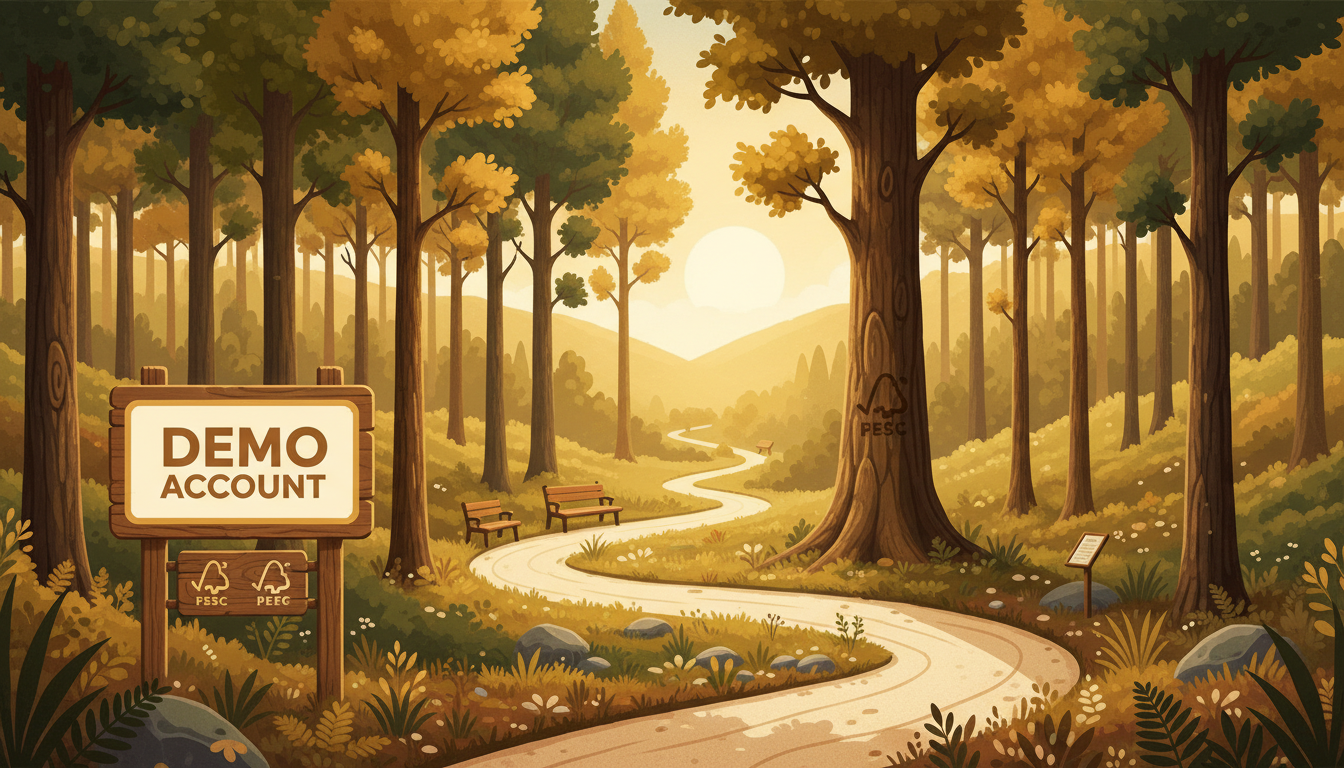
In today's construction landscape, the provenance of materials is just as important as their performance. Specifying timber from sustainable sources is a non-negotiable aspect of responsible design. Look for certifications like FSC® (Forest Stewardship Council®) and PEFC™ (Programme for the Endorsement of Forest Certification™). These labels guarantee that the timber comes from forests that are managed to meet the social, economic, and ecological needs of present and future generations.
With over a century of experience, Vincent Timber has built its reputation on an unwavering commitment to quality and integrity. We are dedicated to providing sustainably sourced materials, ensuring every product we supply meets the highest environmental standards and contributes positively to your project's green credentials.
Factor 4: Bespoke Requirements and Treatments
Every project has unique requirements, and an off-the-shelf solution may not always suffice. The ability to source bespoke profiles and specialized treatments from a single supplier can streamline procurement and ensure design integrity. Whether your project demands a unique cladding profile to create a specific shadow line or requires advanced fire-retardant treatments to comply with building regulations, having an all-in-one solution is invaluable.
Vincent Timber's onsite production facility empowers us to offer bespoke machining for custom profiles, alongside essential treatments like fire protection. This comprehensive capability ensures that all your project's specific technical and aesthetic needs are met with precision and expert oversight, all from one trusted source.
Conclusion: Recap the essential criteria for specifying timber cladding
Choosing the right timber cladding is a balancing act. The optimal selection harmonizes the critical factors of performance, aesthetic vision, sustainability, and any bespoke project needs. By carefully considering the durability of the species, the desired finish, the integrity of the supply chain, and the availability of custom solutions, you can specify a material that not only looks incredible but also performs reliably for decades. This thoughtful approach ensures the final result is a true reflection of quality, design, and responsibility.
Have a project in mind? Choosing the right timber is a crucial step, and our experts are here to help. With over 100 years of experience, we can provide the detailed guidance you need to ensure your specification is perfect. Contact our timber experts for a detailed consultation or request a sample to see and feel the quality for yourself.